
Orthodontic Treatment San Ramon
Achieving Straighter, Healthier Smiles

Whether motivated by health or aesthetics, plenty of patients seek straighter teeth, and our Bishop Ranch Family Dental team is here to help! The benefits of having a smile straightened by orthodontics are endless. Schedule a visit with our San Ramon office, and we'll walk you through the range of orthodontic solutions available, helping you choose the option best suited to your goals, timeline, and lifestyle for achieving the smile you've always wanted. If you have a child who needs orthodontics, we’re also happy to help!
Why Choose Bishop Ranch Family Dental for Orthodontic Treatment?
- Experienced In-House Orthodontist
- Patients of All Ages Welcomed
- Advanced Dental Technology Ensures Precise Results
Phase 1 Pediatric Orthodontics
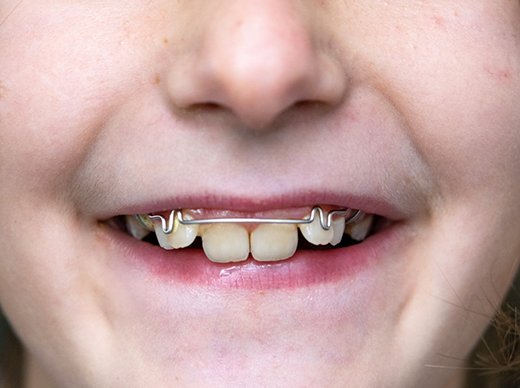
Typically recommended for children ages six to ten, Phase 1 orthodontics targets early alignment issues while a mix of baby and permanent teeth are still present. Addressing problems now can reduce treatment time later in life. Appliances like expanders, headgear, specialized retainers, and space maintainers may be used to guide proper jaw development and help prevent more significant orthodontic concerns down the road.
Traditional Braces
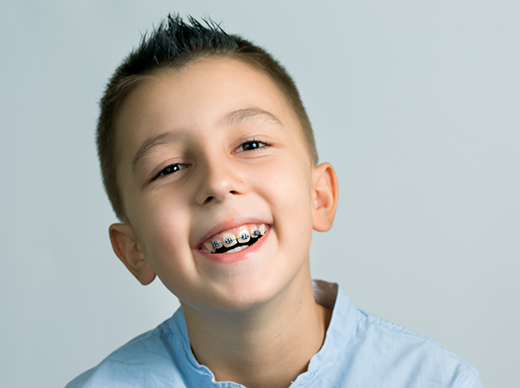
Traditional braces are often the first thing people picture when they think of orthodontics, and for good reason. This tried-and-true treatment has stood the test of time as a dependable answer for even the most complex alignment issues. And better yet, while commonly worn by children and teens, adults can benefit too. Treatment typically lasts two to three years, though the exact timeline depends on each patient's specific needs.
Clear/Ceramic Braces

Are you worried that traditional braces might draw too much attention? Clear/ceramic braces offer a more discreet alternative for patients who want effective treatment without the noticeable look of metal brackets. The tooth-colored ceramic material blends in far better, making it a popular choice for image-conscious patients. Plus, treatment time is similar to traditional braces, generally spanning two to three years depending on individual needs.
Invisalign® Clear Aligners
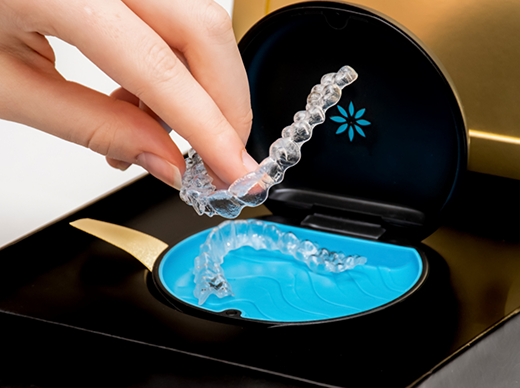
Invisalign is a popular choice for adult patients seeking a more discreet alternative to traditional braces. Instead of brackets and wires, a custom series of clear aligners gradually shifts teeth into place. Beyond being nearly invisible, the aligners are removable, so you can eat without restrictions. Another exciting benefit is the timeline; treatment typically takes 12 to 18 months and works best for mild to moderate alignment corrections.
Retainers & Oral Appliances
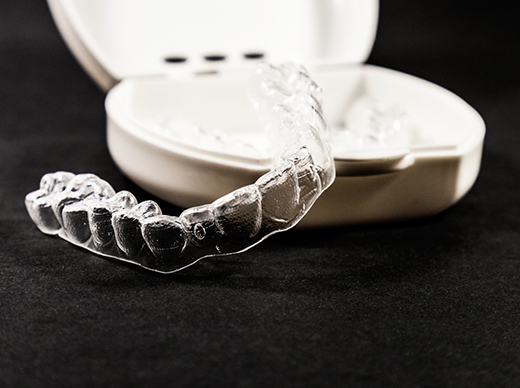
Once your orthodontic treatment wraps up, wearing a retainer becomes essential to prevent your teeth from shifting back to their original position. We'll provide clear instructions on how often to wear it to protect your new smile. Depending on your needs, we may also recommend other oral appliances, and we'll always take time to explain their purpose so you feel fully informed about how to preserve your newly straightened smile.
Orthodontic Treatment FAQs
What Can You Not Eat with Braces?
Good news for Invisalign patients: there are no food restrictions to worry about! Traditional braces are a different story, though. Hard, crunchy, or sticky foods like raw nuts, popcorn, whole apples, thin-crust pizza, tortilla chips, and peanut brittle can damage brackets and wires, leading to an orthodontic emergency. Instead, stick to braces-friendly options like oatmeal, bananas, yogurt, cooked vegetables, pasta, and mashed sweet potatoes.
How Long Do Braces Take on Average?
Treatment length depends on a few factors, starting with the type of braces used. Invisalign typically takes 12 to 18 months, while traditional braces may take two years or longer. The exact timeline also depends on the complexity of your child's case, their age, and how closely they follow treatment instructions. During your child's first visit, we'll estimate their treatment timeline and share tips to help keep things on track.
Do Braces Hurt?
If your child is nervous about discomfort, rest assured that modern orthodontic treatment is more comfortable than it's ever been. And if soreness does occur, there are several simple ways to ease it, including applying a cold compress, sipping cool water, using dental wax on any irritating spots, and sticking to softer foods for a few days. That said, any discomfort should only be temporary.
What Happens at the End of Their Orthodontic Treatment?
Once your child’s teeth have been moved into their new positions, our team will take impressions of their new smile so a custom retainer can be made. It’s important that your child wears this orthodontic appliance consistently because if they don’t, their teeth can begin to drift back into their previous, misaligned positions. That’s why we will provide you with detailed instructions on how often they should wear theirs, as well as how to keep it in great condition so it lasts as long as possible.
How Can I Make Braces More Affordable?
Braces are absolutely an investment, so it’s helpful to keep in mind that there are numerous financial solutions to make things easier on your wallet. Our team is proud to welcome dental insurance from numerous providers, so if your child has available benefits, we can help you maximize them! Plus, if you are uninsured, there is always CareCredit. This third-party financier allows you to space out the payments into monthly installments instead of having to pay for the entire cost upfront.
How Do I Know If My Child Needs Braces?
Braces do so much more than straighten teeth; they also improve bite function, the ability to speak clearly, and boost a kid’s overall confidence once their teeth have been realigned. With this in mind, we recommend bringing your child in for an orthodontic consultation if you notice any of the following:
- Consistent mouth breathing
- Trouble chewing
- Irregular loss of baby teeth
- A disproportionate jaw
- Overcrowded or blocked teeth
- Noticeable gaps between teeth
At the appointment, our team will ask you a few questions, take X-rays of your child’s teeth, examine the position of their teeth, and determine if they would benefit from braces.
Is It Necessary to Remove Teeth Before Orthodontic Treatment?
Not necessarily. Extractions are typically only recommended when teeth are misaligned in their growth direction, too large for the mouth, or significantly decayed. We'll always walk you through our recommendations thoroughly and answer any questions beforehand, ensuring you're involved in every decision regarding your child's smile, function, and oral health.
Is There a Way to Prevent Orthodontic Emergencies?
Yes! Start with the basics; have your child avoid crunchy or sticky foods like peanut brittle, tortilla chips, raw nuts, and caramel candy, which can easily dislodge a bracket or wire. It's also important to steer clear of habits like chewing ice, biting on pens, or skipping wearing a mouthguard during sports. Finally, consistent, thorough brushing and flossing go a long way in preventing complications. Lastly, be sure routine preventive dental care is kept up with all throughout orthodontic treatment so early problems can be spotted.
How Can I Keep My Child’s Teeth Clean with Braces?
Braces call for a few adjustments to your child's oral hygiene routine, but tools like pre-threaded floss and interproximal brushes make it manageable. When it comes time to actually clean their teeth and braces, ask your child to floss between each tooth and behind their molars. This will help remove some of the food particles that their toothbrush has a hard time reaching. Then, ask them to brush their teeth, cleaning their brackets and wires in the process. When they are done, have them rinse their mouth thoroughly with clean water and inspect their braces. If they aren’t quite clean, they should repeat the process as needed.
Is Soda Okay for Kids with Braces?
Although everything can be enjoyed in moderation, it’s important to remember that items with high amounts of sugar are a recipe for cavities, which can bring your child’s orthodontic treatment to a halt. Dark, sugary drinks can also cause noticeable staining, leading to an uneven tooth color. Encourage your child to reach for water most of the time, and if they do have a soda occasionally, using a straw can help minimize contact with their teeth.